What Affects the Price of a Car Lease? Eight Factors That Move Your Payment
Vehicle choice, residual value, credit, term, mileage, incentives, taxes and fees all change a lease payment. See how much each factor matters with examples.
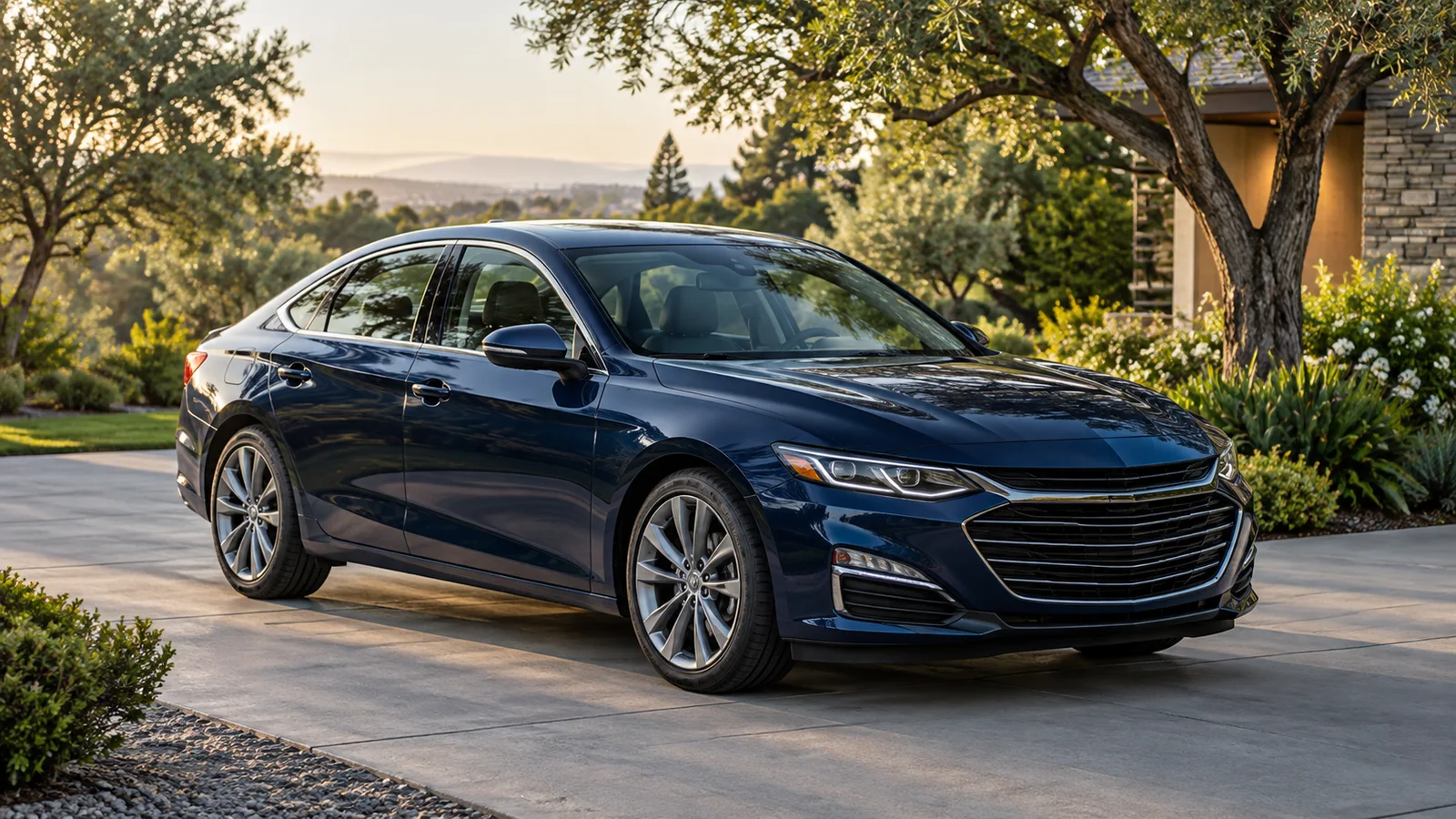
Eight factors decide what you pay for a lease: the vehicle and its negotiated price, the residual value, the money factor tied to your credit, the term, the mileage allowance, manufacturer incentives, how much you pay upfront, and state taxes and fees. Of these, the negotiated price and the money factor are the two you can influence most. The others are either set by the lessor or follow from your driving needs. Understanding each helps you decide where to push in negotiation and where to simply choose the right option.
1. The vehicle and its negotiated price
Depreciation is the biggest piece of your payment, and depreciation depends on the cap cost minus the residual. A lower negotiated price reduces the amount you finance and therefore both parts of the payment. Many shoppers focus on MSRP, but the lease is based on the selling price, not the sticker. Treat it like a purchase: get quotes from several dealers, and ask about dealer discounts, which can range from nothing on very high-demand models to significant amounts on slower-selling ones.
2. Residual value
The residual value is the lessor's estimate of the car's worth at the end of the lease. A higher residual means less depreciation to pay for. Two cars with the same price can have very different payments because one is expected to hold its value better. Longer terms and higher mileage allowances typically reduce the residual percentage, which raises the monthly depreciation charge.
Illustrative example: On a $33,000 cap cost, a residual of $21,000 over 36 months yields depreciation of $333 a month. If the residual were instead $19,800 (a lower percentage), depreciation would be $367 a month, a difference of $34 monthly, or about $1,200 over the term.
3. Money factor and your credit
The money factor is the lease's interest rate. Lessors typically publish tiers based on credit scores, and the best rates are reserved for top tiers. A drop in tier can add noticeably to the rent charge. Use the money factor guide to convert any quote into an APR for comparison with auto loan rates.
4. Term length
Shorter terms such as 24 months have higher monthly depreciation but are often covered by the warranty throughout. Longer terms spread depreciation across more months and can reduce the payment but may extend past the factory warranty and increase the risk of repair costs or mileage overages. The least expensive monthly payment is not always found at the longest term, because residual percentages decline with term length.
5. Mileage allowance
Higher mileage allowances lower the residual, so they raise the payment. Typical options are 10,000, 12,000 and 15,000 miles a year. Buying extra miles at signing usually costs less per mile than paying the penalty at the end, so be realistic when estimating your annual driving. The excess mileage estimator helps you quantify the risk.
6. Incentives and lease cash
Manufacturers often offer incentives that lower the cap cost (sometimes called lease cash or customer cash) or reduce the money factor on specific models. These offers change monthly and may depend on region, credit tier and eligibility rules. Check each brand's official lease-offer page and ask the dealer which incentives are included in the quote.
For electric vehicles, the federal consumer clean vehicle credits ended for vehicles acquired after September 30, 2025, following changes in federal law. Before then, some lessors passed through the commercial clean vehicle credit as a lease incentive. In 2026 any EV lease discount comes from the manufacturer, the lender or state and utility programs, so verify what is available in your state and confirm with the IRS and your state energy office.
7. Amount due at signing
Paying more upfront lowers the monthly payment but not necessarily the total cost. Upfront payments (cap cost reductions) offer no benefit if the car is totaled shortly after signing, because the money may not be recoverable. Compare offers by total cost and consider paying only the first payment and required fees.
8. Taxes and fees
Taxes and fees vary significantly by state. Some states tax the monthly payment, some tax the full purchase price upfront, and some apply other methods. Registration, title, documentation and acquisition fees vary by location and lessor. Ask the dealer to show each fee, and check your state's motor vehicle agency for official fee schedules.
A side-by-side sensitivity example
Using the base example of a $33,000 cap cost, $21,000 residual, 36 months and a 0.00250 money factor, the pre-tax payment is $468.33. Here is what happens when one input changes:
| Change | New pre-tax payment | Difference |
|---|---|---|
| Cap cost falls by $2,000 to $31,000 | $407.78 (depreciation $277.78 + rent charge $130.00) | about -$61 |
| Money factor rises to 0.00300 | $495.33 | +$27 |
| Residual falls by $1,500 to $19,500 | $506.25 (depreciation $375.00 + rent charge $131.25) | about +$38 |
| Term changes to 24 months, residual 65% ($22,750) | $566.46 (depreciation $427.08 + rent charge $139.38) | about +$98 |
Note: the table values are illustrative; recompute with your own quotes. The pattern matters more than the exact figures: price and residual changes move the payment by tens of dollars each month.
How to prioritize
- Negotiate the vehicle price first.
- Ask for the money factor, residual and fees in writing.
- Choose the term and mileage that fit your real driving.
- Compare total cost, not just the monthly payment.
For a negotiation plan, see how to get the best lease deal.
Frequently asked questions
Which factor matters most?
For most lessees it is the negotiated price, because it drives depreciation and the rent charge together.
Why does the same car cost different amounts at different dealers?
Dealers may offer different selling prices, include different fees and sometimes mark up the money factor.
Does a higher credit score always lower my payment?
Often it improves your money factor tier, but the effect depends on the lessor's tier structure and the thresholds it uses.
Sources
- Consumer Financial Protection Bureau — leasing basics and disclosures
- Federal Trade Commission — consumer advice on vehicle leasing
- Internal Revenue Service — current status of federal vehicle credits
- U.S. Department of Energy fueleconomy.gov — federal and state EV incentive information